

 Tanuja Kathait
 Swati Raj


 agriyuvaa
In a reluctant village called Amlaha in Sehore district of Madhya Pradesh, something noteworthy began to take shape—something that could redefine the future of Indian agriculture. What might seem like just another government announcement is, in reality, a bold step toward transforming India from a pulse-importing nation into a global exporter. This denotes the tale of India’s nationwide pulses revolution that is deep-rooted in farmer’s fields, enhanced by science and has a vision of reshaping rural prosperity.
For decades, pulses have been one of the most important components of India’s food system. They are not just crops; they are the primary source of protein for millions. Yet, despite being the world’s largest consumer of pulses, India has long depended on imports to meet its domestic demand. This paradox has always been a concern for policymakers and farmers alike. But now, the narrative is changing.
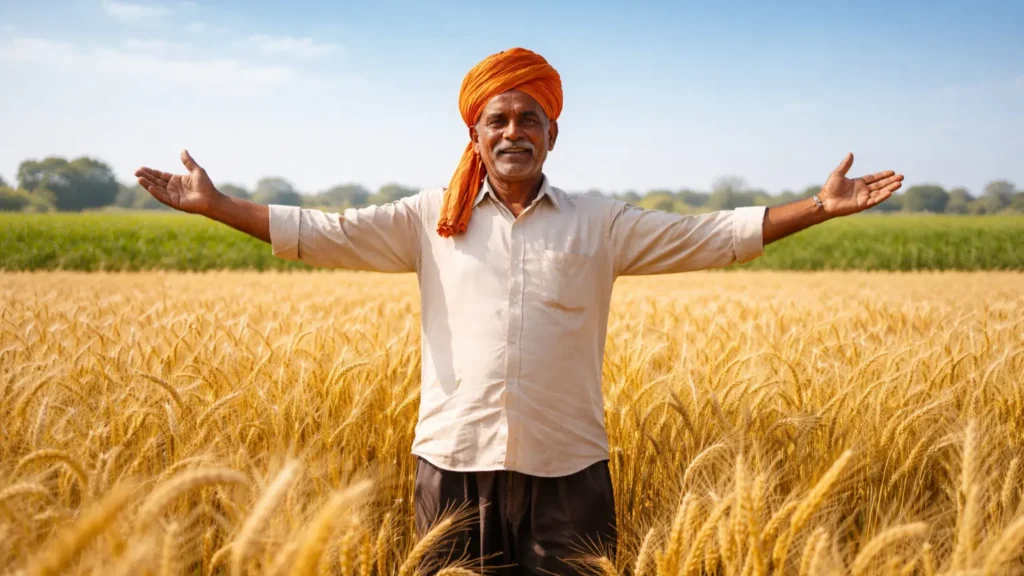
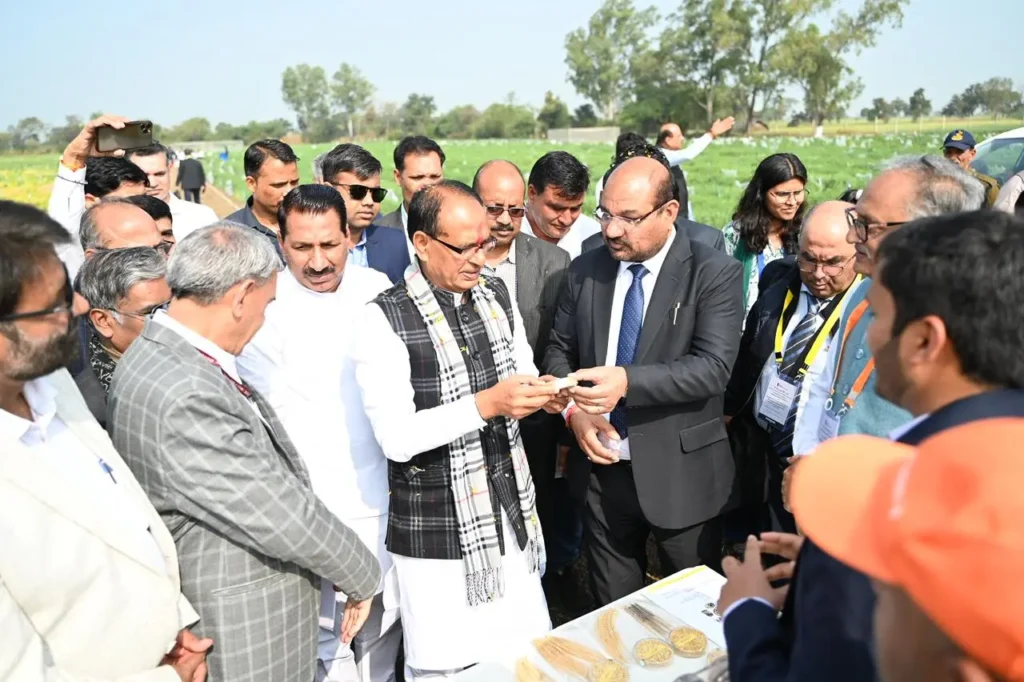
On February 7, 2026, under the leadership of Union Agriculture Minister Shivraj Singh Chouhan, India launched the Self-Reliance in Pulses Mission from the Food Legumes Research Platform (FLRP) in Sehore. The message was clear and powerful: India will no longer rely on imports—it will become an exporter of pulses, ensuring both farmer prosperity and national food security. What makes this initiative truly different is its “seed to market” approach. Traditionally, agricultural policies often focused on isolated aspects—either production, procurement, or distribution. But this mission integrates the entire value chain. From providing high-quality seeds and promoting scientific cultivation practices to strengthening processing infrastructure and ensuring market linkages, the government aims to leave no gap in the system.
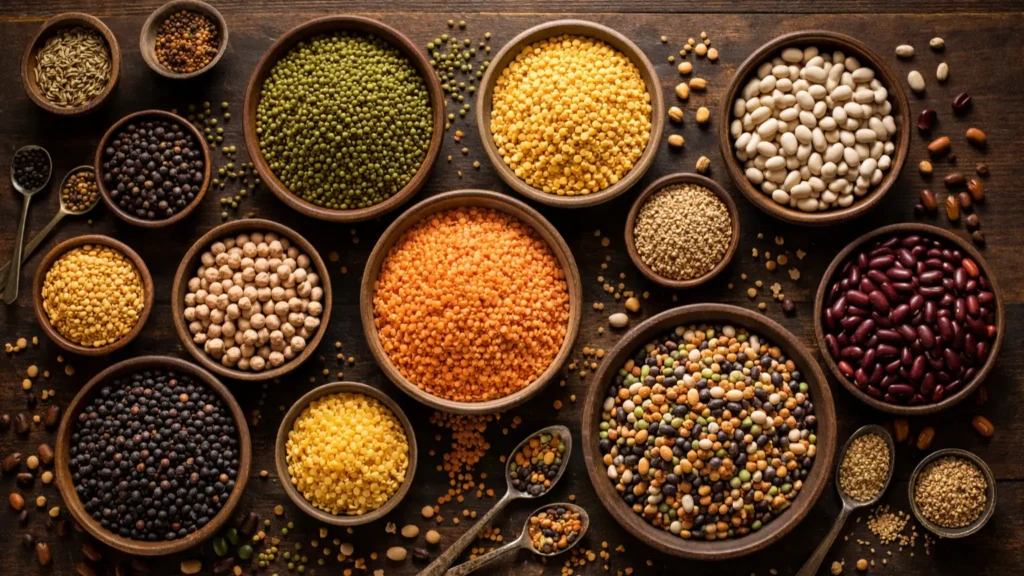
At the core of this revolution lies a farmer-first philosophy. Instead of policies being designed in offices, this mission was shaped through direct consultations with farmers, scientists, Farmer Producer Organizations (FPOs), and industry stakeholders. It signals a shift from “file-driven governance” to “field-driven governance,” where real challenges and practical solutions take center stage.
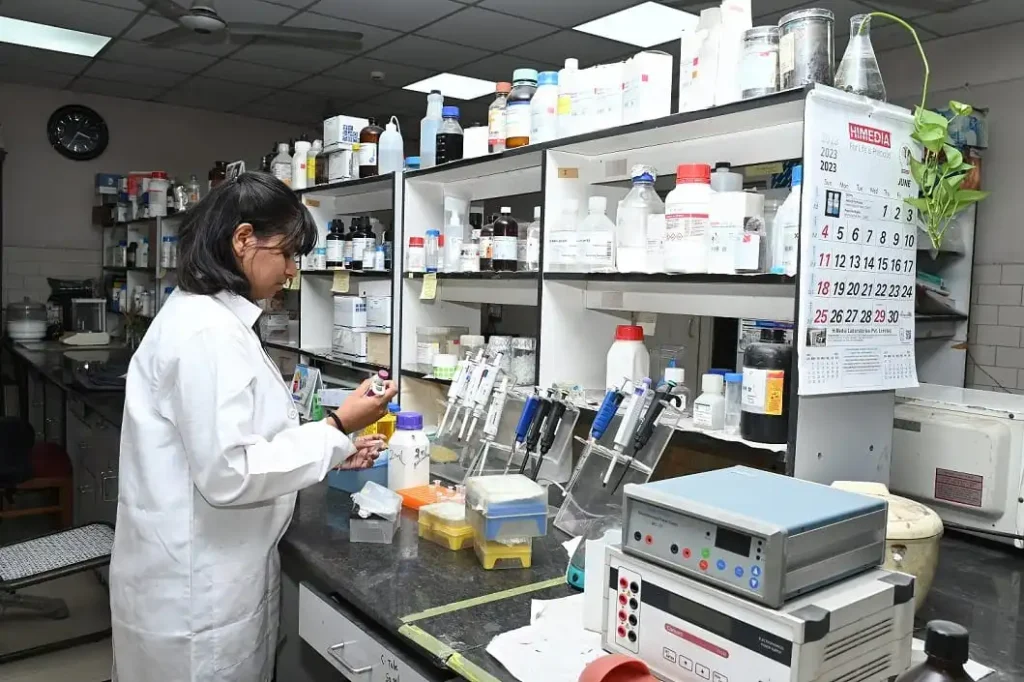
One of the most transformative aspects of this initiative is the cluster-based model. Farmers will be encouraged to grow pulses in clusters, supported by financial incentives and technical guidance. This not only improves productivity but also reduces costs and ensures better price realization. Alongside this, the government plans to establish around 1,000 pulse mills across the country, bringing processing closer to production areas. This will reduce post-harvest losses, generate rural employment, and enhance value addition at the local level. Equally significant is the establishment of a state-of-the-art Food Legume Research Platform (FLRP) in Sehore. This facility represents a new era in agricultural research— where science meets the soil. Developed with international collaboration, the platform aims to advance research in climate-resilient and high-yielding pulse varieties, while directly connecting farmers to innovation.
This direct linkage between research and farmers is crucial. Institutions like the Indian Council of Agricultural Research (ICAR) have long worked on improving pulse varieties and farming techniques, but the real challenge has been bridging the gap between laboratories and fields. With FLRP, we are able to address the gap in a structured manner.
Beyond economics, this revolution also has environmental and nutritional implications. Pulses are naturally nitrogen-fixing crops, which means they improve soil fertility and reduce dependence on chemical fertilizers. In a country striving for sustainable agriculture, this makes pulses not just an economic crop, but an ecological solution. Ultimately, the pulse revolution is more than a policy—it is a vision.
A vision where farmers are not just producers but stakeholders in a value-driven ecosystem. A vision where agriculture is not just about survival but about profitability and dignity. And a vision where India, once dependent on imports, stands tall as a global leader in pulses production and export. As this movement grows from the fields of Sehore to the rest of the country, one thing is certain: the future of Indian agriculture is being rewritten—not in policy documents, but in the soil itself.
About the Author