

 Tanuja Kathait
 Swati Raj


 agriyuvaa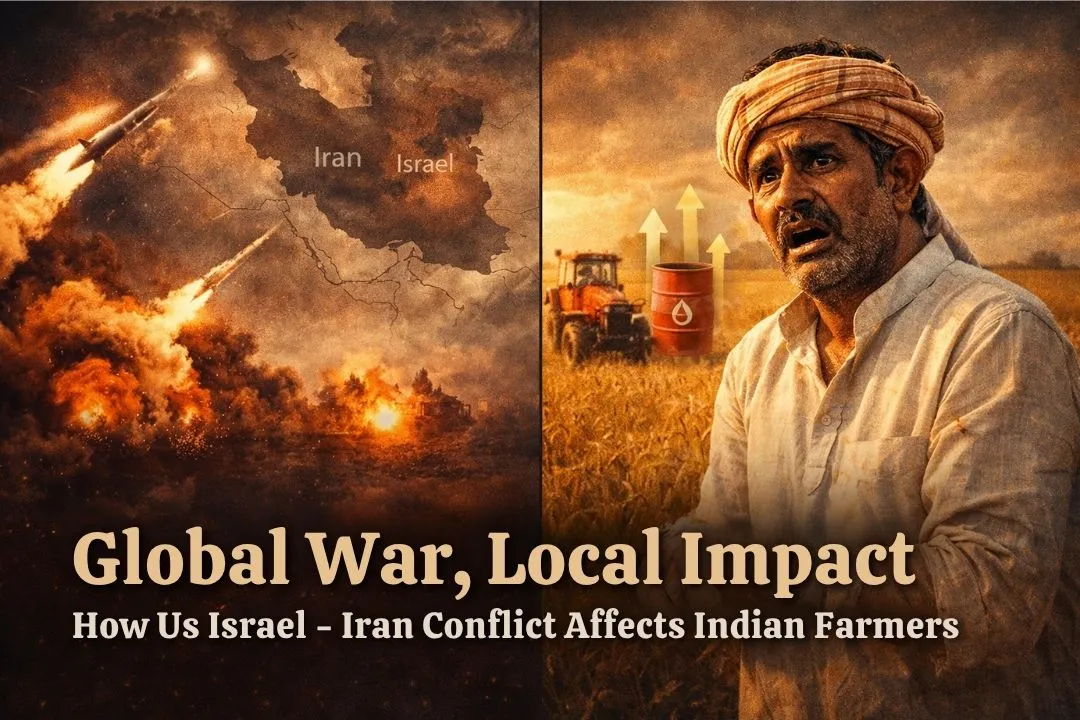
When War Feels Distant but Hits Home
It is easy to think that problems in parts of the world are not our problem. We see these things on the news. We do not think they affect us. A farmer in Punjab, a trader in Odisha or a person buying things in Delhi might not think that the prices going up or the money they make going down has anything to do with what’s happening between Iran, Israel and the United States. Even though it does not seem like it at first these things are always connected.
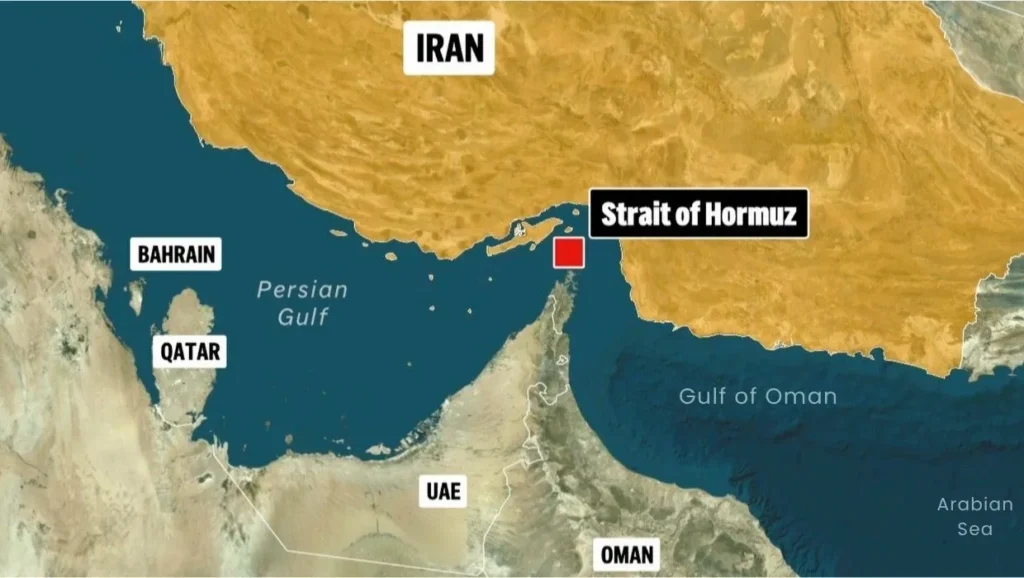
For people who farm in India we can see this connection when we think about things like fertilizers. Many farmers do not think about where they get urea or DAP from; they just know they need it when they need it. They want it to be cheap.. A lot of these things come from places that are not very safe like the Strait of Hormuz. When there are problems in these places it takes longer to get the things we need. The prices go up. Then farmers have to make choices: they can spend more money and maybe lose some or they can use less and maybe not grow as much. Neither of these choices seems fair because the problem is not the farmers fault. Indian agriculture and the people who farm in India are affected by these problems. It is not easy for them to deal with. The farmer in Punjab and the trader in Odisha and the person buying things in Delhi are all affected by what’s happening with Iran, Israel and the United States and it is not just something they see on the news.
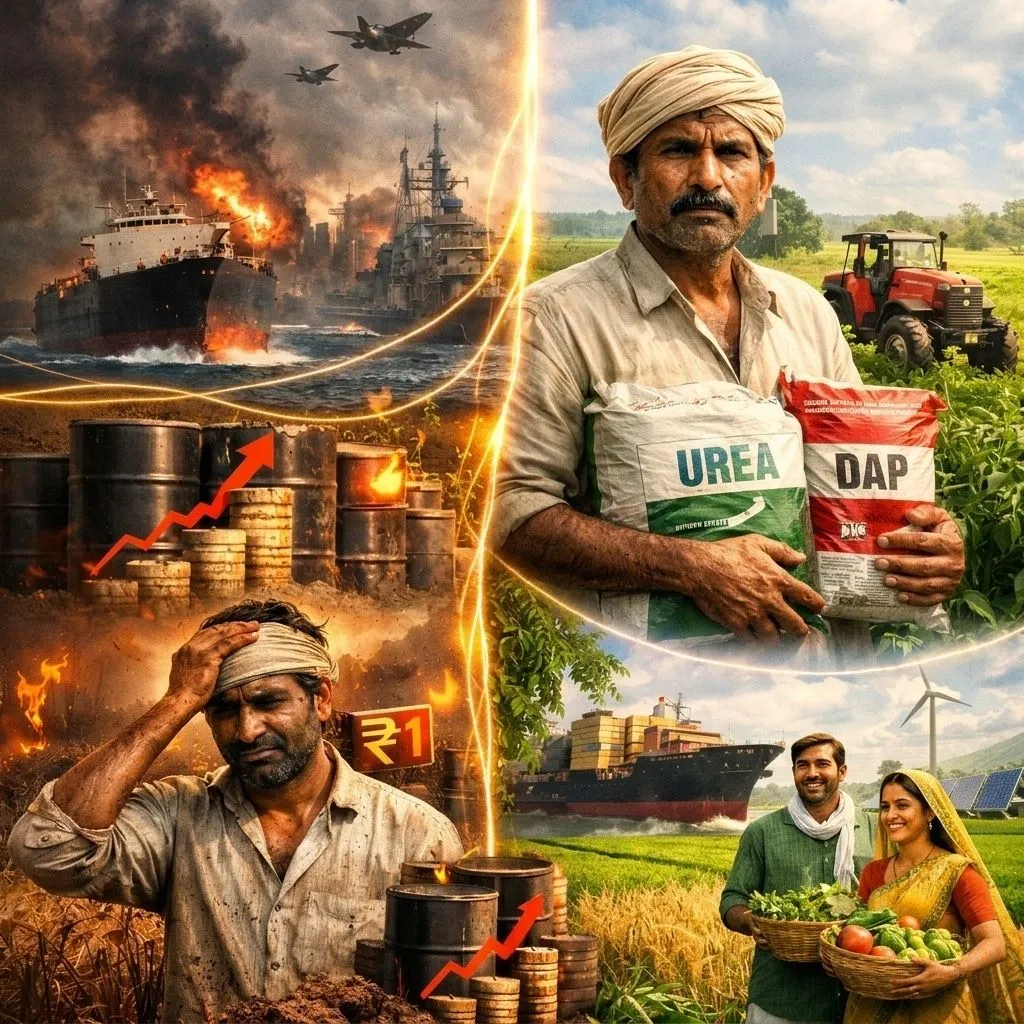
Fuel is another thing in this story. When crude oil prices go up it does not just affect people who commute to work in the city. It also affects farmers. In fact it affects farmers as much or even more. Every time a farmer uses a tractor, a pump to water crops or transports produce to the market fuel is used. When fuel prices go up farming becomes more expensive at every stage. It is like running a race where the finish line keeps moving away.
The story of fuel and farming does not end on a bad note. Sometimes when things change suddenly new opportunities are created. When global supply chains change, countries start looking for new partners to work with. This can create export opportunities for India and Indian farmers. If some countries do not have food Indian farmers can supply them with food grains, rice and other products. For some farmers this change can mean prices and new markets for their products.
There is also a move towards being self-sufficient. When importing things from countries becomes uncertain or expensive, governments and industries have to rethink their reliance on other countries. People start investing in making fertilizers in India promoting natural farming methods and looking into farming practices. This is not a solution that will happen overnight. It is a step in the right direction for Indian farmers and the country as a whole. Fuel and farming are closely related. Changes in fuel prices can have a big impact on farmers and the food we eat.
At the farm level change is happening slowly. Farmers are down to earth people. When the cost of things they need to buy goes up they find ways to deal with it. They use chemicals, they try out new things like biofertilizers or they make better use of what they have. What starts as something they have to do can sometimes lead to more sustainable ways of doing things.
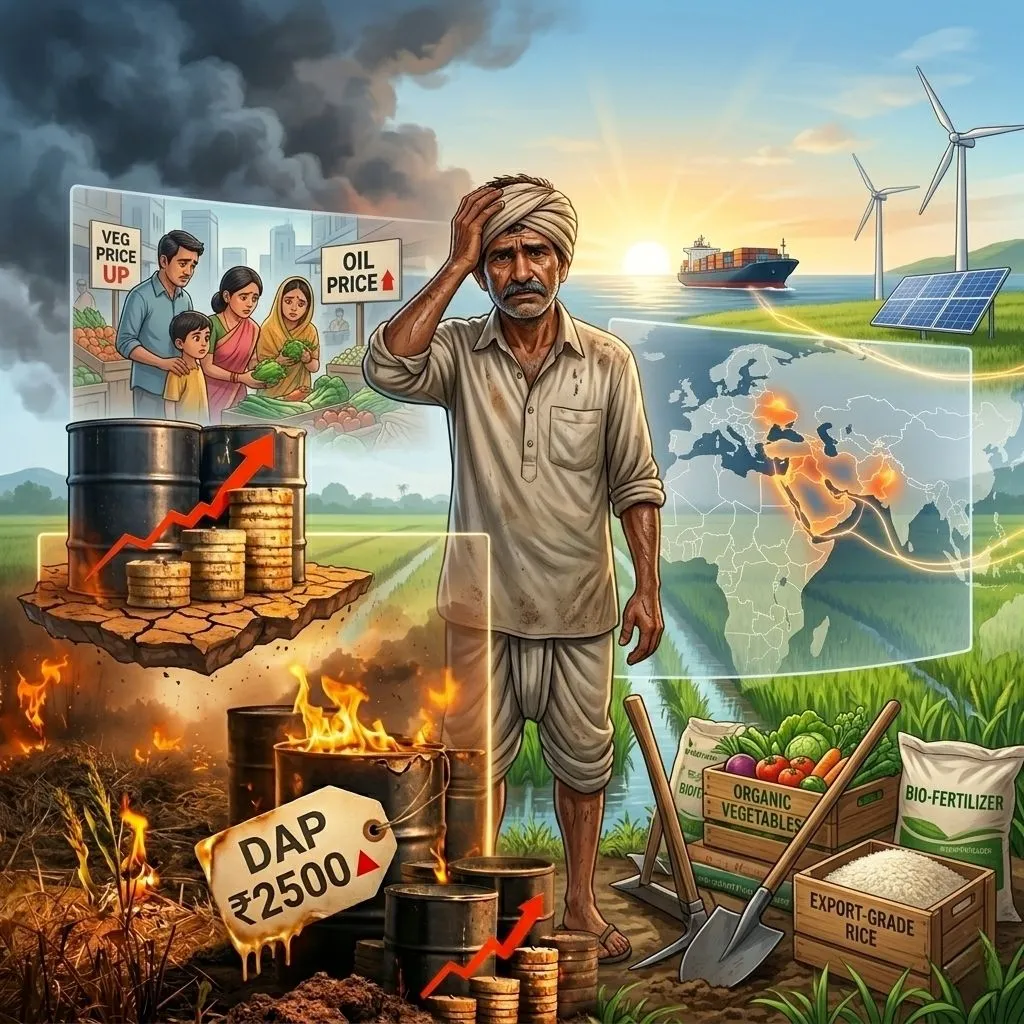
There are still problems to face. When farmers sell their products to countries it can get really hard to know what is going to happen especially when the people they are selling to are having a tough time. The routes they use to get their products to countries get complicated, they do not get paid on time and it becomes harder to know what is going to happen next. Farmers who raise animals like cows and chickens also feel the pressure because the cost of food for the animals and transportation goes up and they are already working with small profits.
Then there is the person who buys the food. When farming becomes expensive and it is hard to get food from one place to another the prices of food go up. For families this is when they really start to feel the effects.
This whole situation shows how everything is connected. A problem in a country away can affect the decisions farmers make, the prices of things, in the market and even what food we eat. Farming is connected to the market prices and the food we eat. The farming decisions are connected to the market prices and the food we eat. Farming and the consumer and the market prices are all connected.
The situation with Iran, Israel and the United States is a reminder that Indian farming’s not just about the weather or the ground anymore. Indian farming is part of a system that includes the whole world. This means Indian farming has to deal with some problems. It also has some good chances to grow.
The big thing to think about is what India will do. The choices India makes now will decide if these problems will last forever or if they will be a chance for Indian farming to get better. Indian farming and the people who work in it will have to figure out how to make the most of the situation, with Iran, Israel and the United States. The future of farming depends on the decisions made about Indian farming today.
About the Author