


 Tanuja Kathait
 Swati Raj


Air Pollution in India: Best Plants & Foods to Stay Healthy
 agriyuvaa
November 22, 2025
agriyuvaa
November 22, 2025 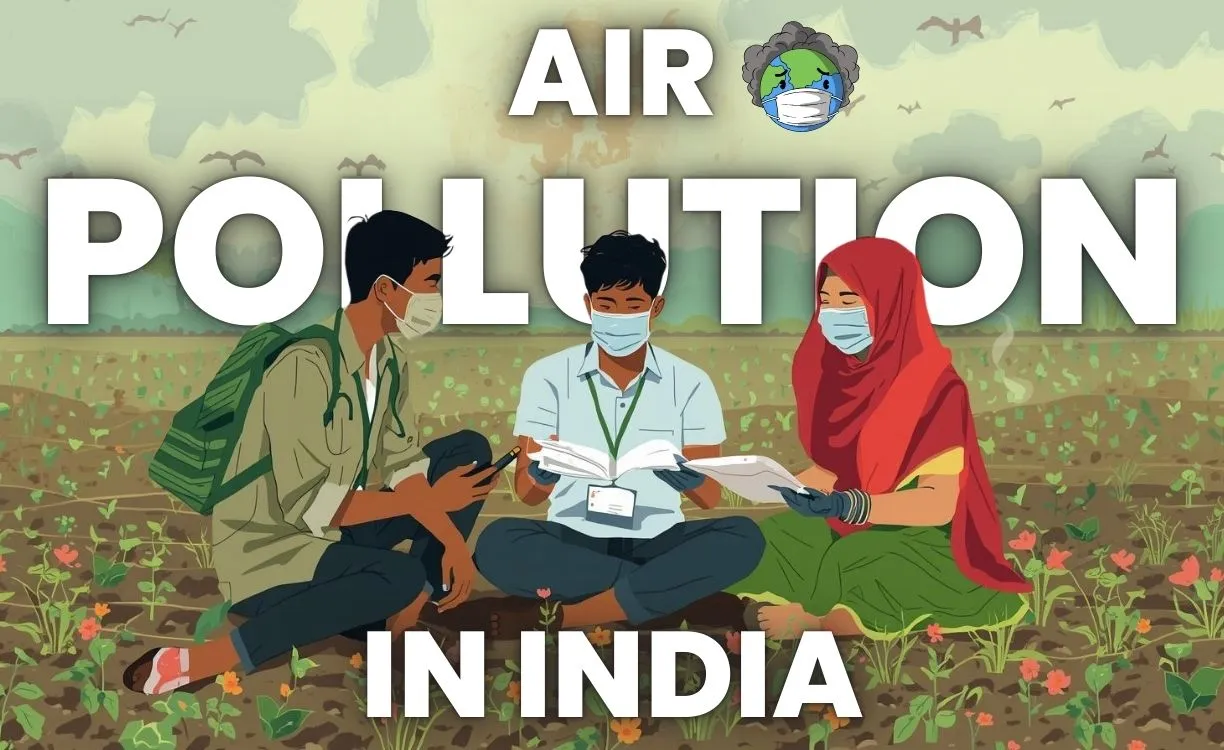
Why Air Pollution in 2025 Is a Serious Threat ?
India is facing one of its worst air-quality years in 2025. Cities like Delhi, Gurugram, Noida, Lucknow, and Mumbai are experiencing AQI levels that regularly cross 300–400, placing millions at high health risk. For agriculture students—future leaders of India’s green and environmental sectors—understanding the rising pollution crisis is essential.
This Agriyuvaa blog aims to create awareness, promote plant-based solutions, and guide students on foods and habits that help protect the body from toxic air.
What is AQI ?
The Air Quality Index (AQI) is used for reporting daily air quality. It tells you how clean or polluted your air is, and what associated health effects might be a concern for you. The AQI focuses on health effects you may experience within a few hours or days after breathing polluted air.The Air Quality Index (AQI) is a key measure used to communicate how polluted the air is and how it may affect health. According to EPA standards, AQI levels below 100 are considered satisfactory, while values above 100 indicate unhealthy conditions—eventually becoming hazardous as they exceed 300. With many Indian cities touching these dangerous levels in 2025, understanding AQI has become essential for students and communities.
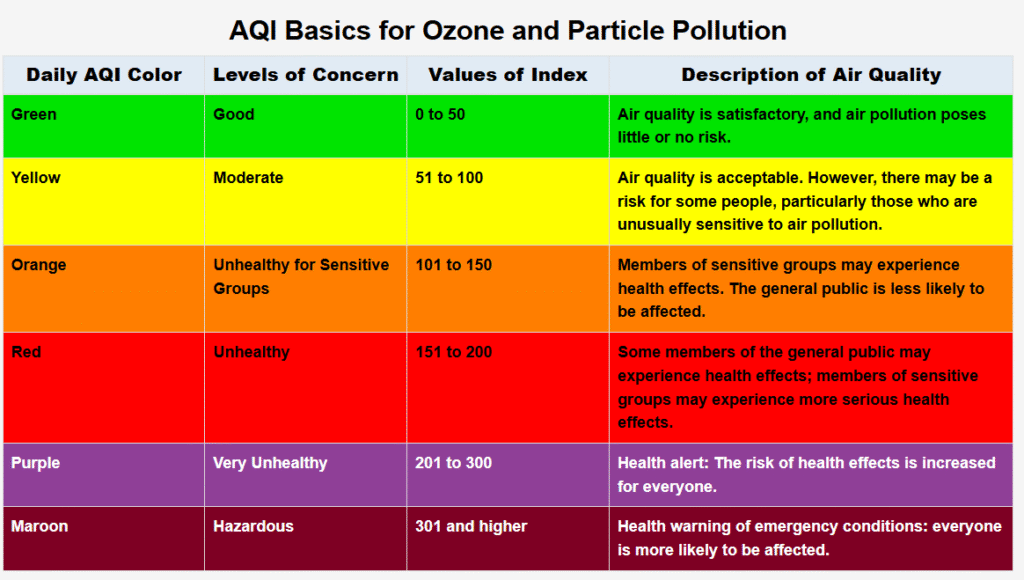
Delhi has recorded some of the highest AQI levels of the decade, with smog accumulation and crop-residue burning worsening the atmosphere.
Polluted air contains PM2.5, PM10, nitrogen oxides, sulfur dioxide, and benzene—all harmful to humans.
These pollutants directly affect:
1. Respiratory system – breathing difficulty, asthma, throat irritation.
2. Digestive system – acidity, indigestion, toxin accumulation
3. Immune health – weakened defenses, frequent illness.
4. Mental energy – fatigue, low focus, headache.
For young students studying outdoors, working on farms, or traveling daily, taking preventive steps is critical.
Indoor Air-Purifying Plants:
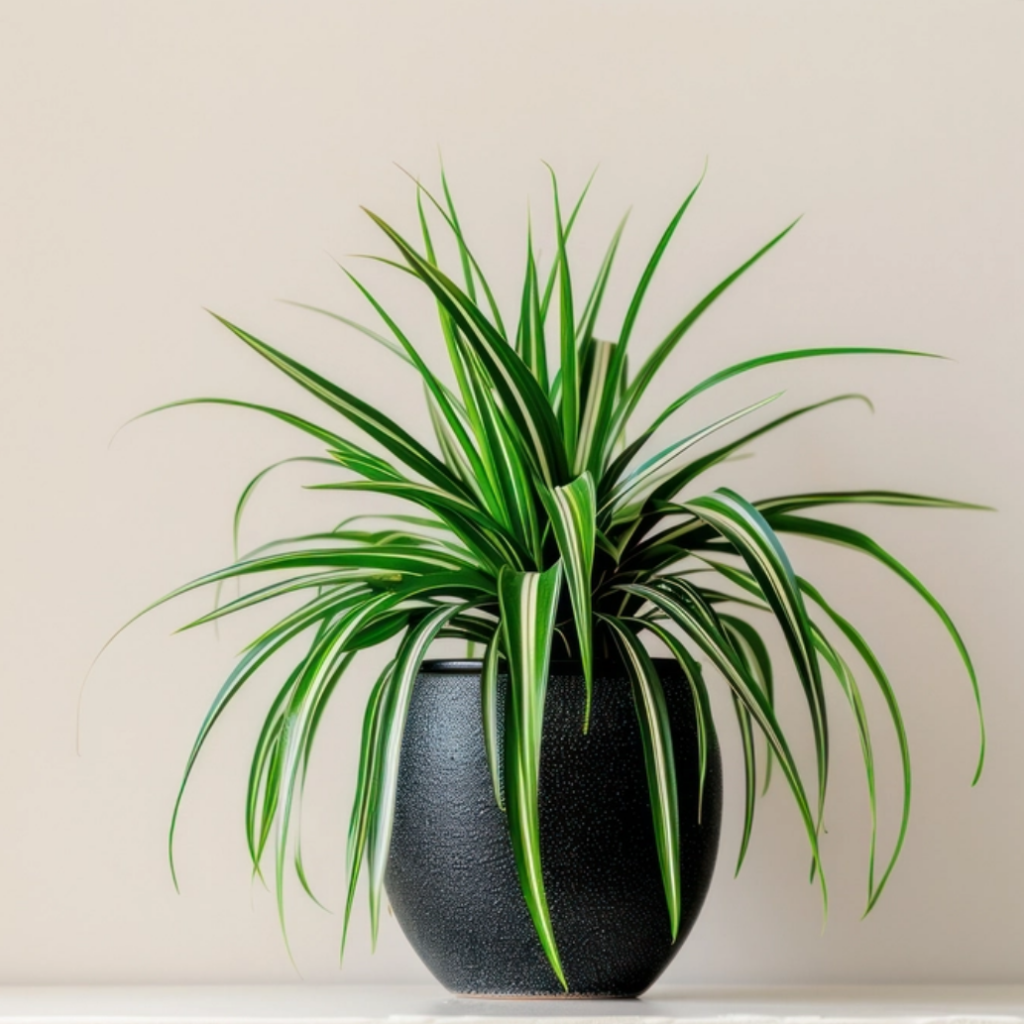



1. Spider Plant (Chlorophytum comosum): Absorbs benzene, carbon monoxide, and harmful fumes.
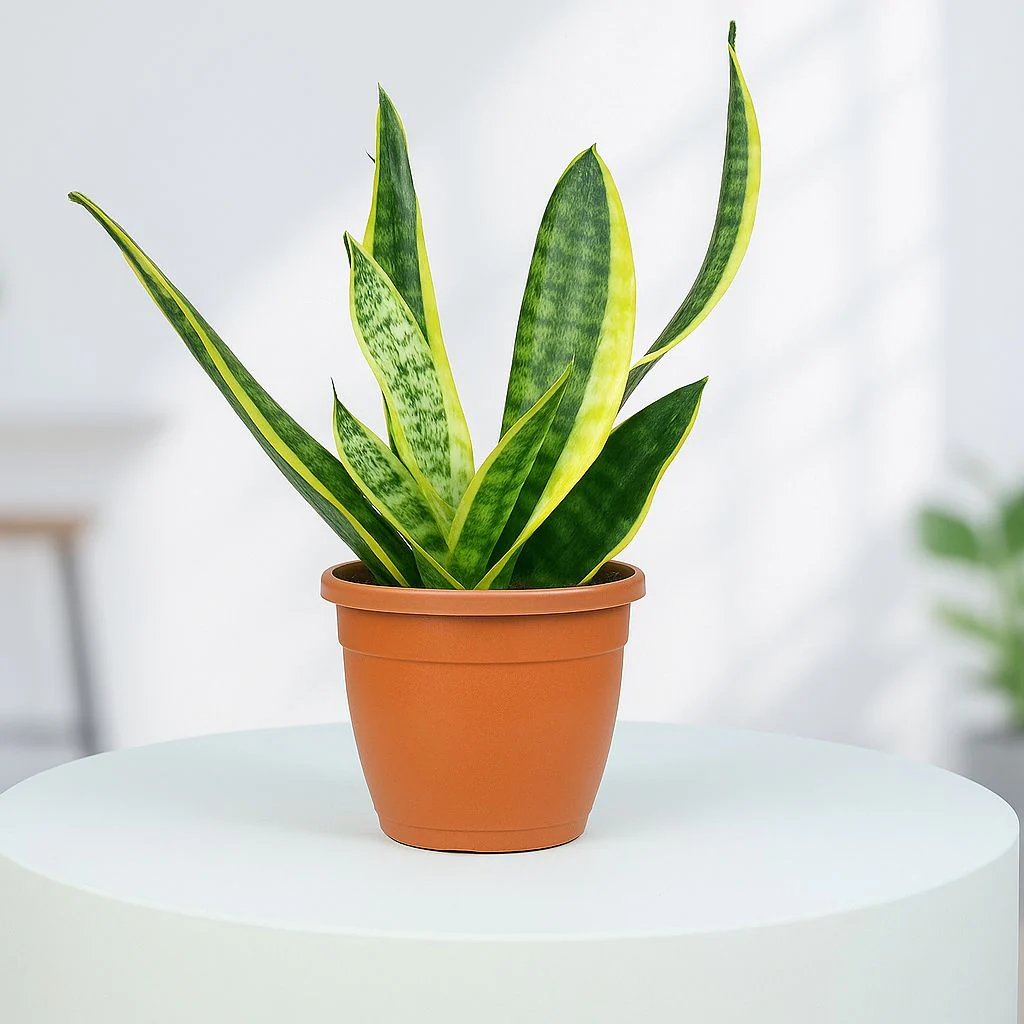
2. Snake Plant (Sansevieria): Releases oxygen even at night; excellent for closed rooms.
3. Aloe Vera: Cleans chemical pollutants and supports respiratory health.
4. Peace Lily: Reduces indoor toxins from dust, paints, and plastics.
5. Areca Palm: Works as a natural humidifier and dust absorber.
Outdoor Pollution-Control Plants:
1. Neem Tree
A natural dust-trap and excellent antibacterial plant.
2. Peepal Tree
Produces high oxygen levels and improves airflow.
3. Tulsi (Holy Basil)
Purifies air and can also be consumed for immunity.
4. Bamboo
Acts as a barrier against outdoor pollutants.
5. Money Plant (Epipremnum aureum)
Captures harmful gases and improves oxygen levels.
Foods That Protect Your Body from Pollution:
Eating the right foods helps your lungs, digestive system, and immunity fight pollution-caused damage.
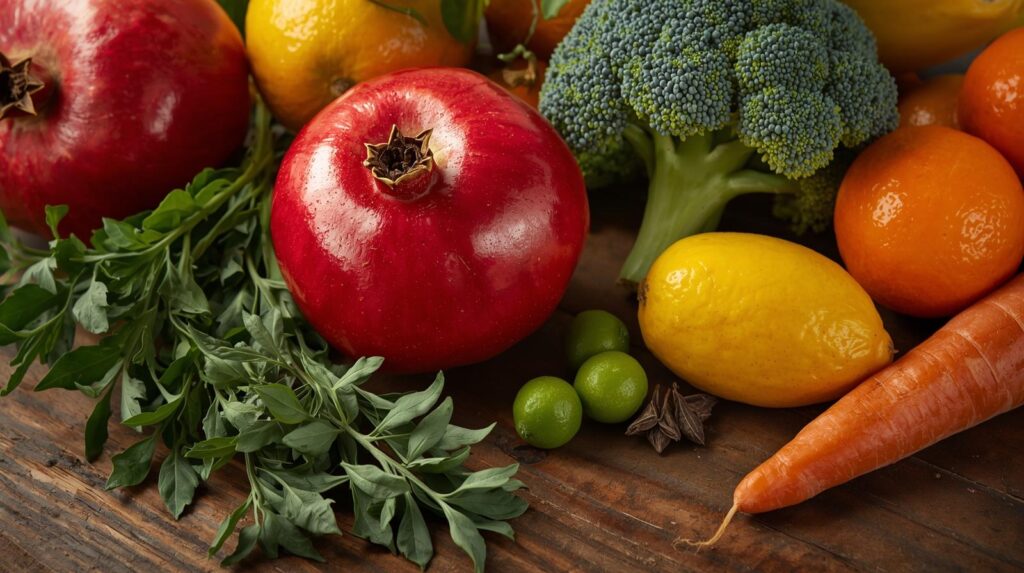
Fruits:
– Apples – Rich in antioxidants for lung cleansing.
– Pomegranates – Boost blood circulation.
– Citrus fruits (orange, lemon, mosambi) – Strengthen immunity.
– Berries – Reduce inflammation caused by toxins
Vegetables:
– Broccoli – Helps detoxify PM2.5 particles.
– Spinach & Methi – High iron to improve oxygen levels.
– Carrots & Beetroot – Protect cell health.
– Tomatoes – Reduce respiratory inflammation
Herbs & Natural Remedies:
– Tulsi tea – Cleans lungs
– Turmeric milk – Anti-inflammatory powerhouse
– Ginger & honey – Relieves throat and breathing issues
– Garlic – Supports heart and lung function
Daily Safety Tips for Students:
-Wear N95 masks during high AQI days
-Avoid early morning outdoor activities—pollution is highest at dawn
–Drink 2–3 liters of water daily
–Take steams or warm showers to clear throat and nose
–Keep windows closed during peak pollution hours
–Use indoor air-purifying plants in study rooms.
Conclusion: Agriculture Students Can Lead the Change
As future scientists, farmers, and environmental stewards, agriculture students play a key role in promoting plant-based pollution solutions. By growing the right plants, consuming protective foods, and spreading awareness, the AgriYuvaa community can help build a healthier, greener India.
Air pollution in 2025 is a serious challenge—but knowledge, plants, and conscious habits can keep us safe.
Let’s protect our environment and inspire others to do the same.
About the Author





Interesting in agriculture sector for last year student